
Non-destructive testing (NDT) relies on more than just equipment. While advanced tools play an important role in inspection, the accuracy and reliability of results depend heavily on the technician performing the work.
Certified technicians bring the knowledge, training, and experience required to properly apply inspection methods, interpret results, and ensure that evaluations are both accurate and consistent.
If you’re new to non-destructive testing, it helps to start with a foundational understanding of how NDT works and why it plays such a critical role in industrial operations.
At IFE NDT LLC, our focus is simple — precision that counts and testing that delivers. That level of precision depends on having trained professionals who understand not only how to use inspection equipment, but how to apply it effectively in real-world conditions.
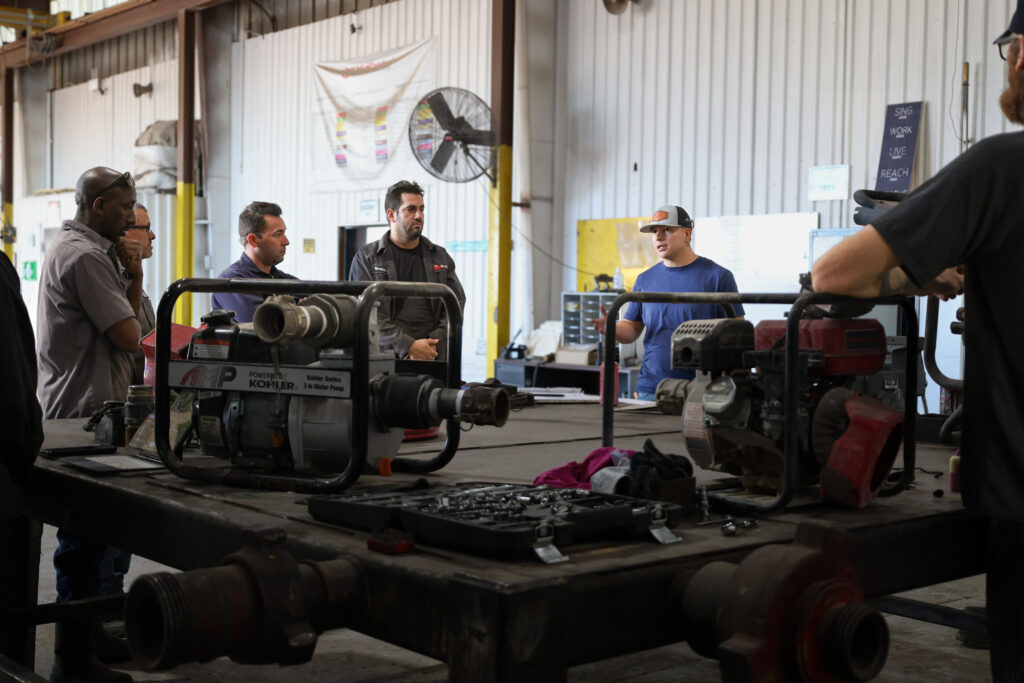
What certification means in NDT
Certification in non-destructive testing indicates that a technician has met established requirements for training, experience, and competency. These certifications are typically based on recognized industry standards and help ensure consistency across inspections.
Certified technicians are trained to:
- Apply inspection methods correctly
- Recognize and evaluate different types of defects
- Interpret results accurately
- Follow established procedures and standards
This level of training helps reduce the risk of errors and ensures inspections are performed with a high level of reliability.
Why experience and training matter
Inspection results are only as reliable as the person performing the evaluation. Even with advanced equipment, improper technique or misinterpretation can lead to inaccurate conclusions.
Experienced, certified technicians are better equipped to:
- Identify subtle defects that may be missed by less experienced inspectors
- Adjust techniques based on material, environment, and conditions
- Recognize when additional inspection methods are needed
- Provide consistent and dependable results
In many cases, the difference between a successful inspection and a missed defect comes down to the technician’s level of training and experience.
Supporting safety and reliability
Accurate inspections are essential for maintaining safe and reliable operations. When defects go undetected or are misinterpreted, the risk of failure increases.
Certified technicians help improve safety by:
- Ensuring inspections are performed correctly
- Identifying defects before they become critical
- Supporting safe operation of equipment and structures
- Providing reliable information for maintenance decisions
By reducing uncertainty in inspection results, certified technicians play a direct role in protecting both people and assets.
Meeting industry standards and expectations
Many industries require inspections to be performed by qualified personnel who meet specific certification standards. These requirements are in place to ensure that inspections are consistent, reliable, and compliant with applicable codes.
At IFE NDT LLC, our work aligns with established standards and guidelines from organizations such as API, ANSI, and ASNT. These frameworks help ensure that inspections are performed consistently and meet the expectations required across industrial environments.
Using certified technicians helps organizations:
- Meet regulatory and industry requirements
- Maintain documentation for compliance
- Demonstrate quality assurance practices
- Reduce the risk of failed inspections or rework
In environments where safety and compliance are critical, this level of assurance is essential.
The role of certified technicians in NDT methods
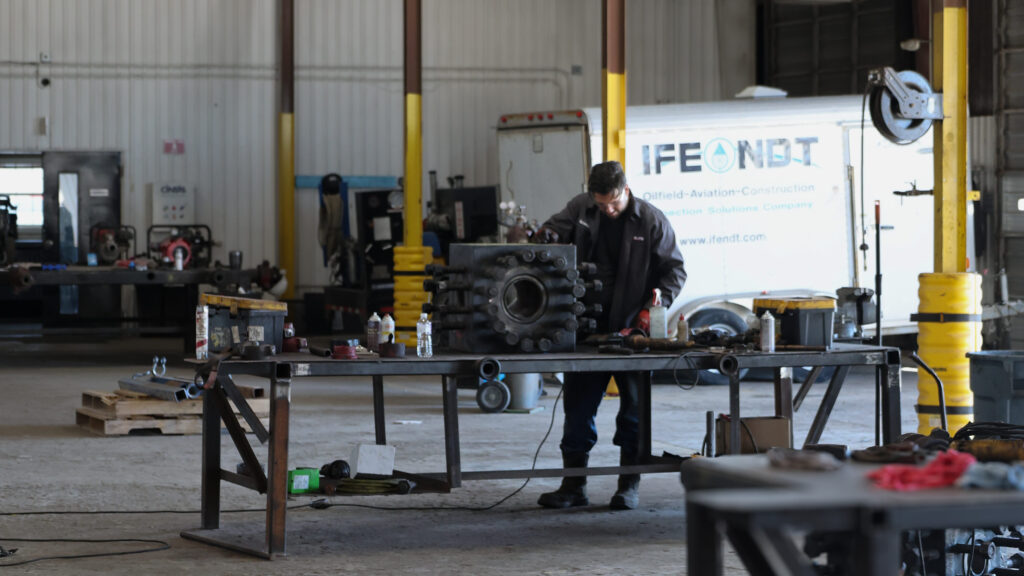
Each NDT method — including ultrasonic testing, magnetic particle testing, and liquid penetrant testing — requires proper training to apply effectively.
Understanding how and when to use these methods is just as important as the equipment itself. Certified technicians are trained to select the appropriate technique based on the material, defect type, and inspection conditions.
This ensures that inspections are not only performed correctly, but that the results are meaningful and actionable.
A commitment to consistency and ongoing development
At IFE NDT LLC, we recognize that reliable inspection results start with well-trained technicians. Maintaining consistency across inspections requires more than initial certification — it requires ongoing training and reinforcement of best practices.
To support this, we have developed a rigorous hybrid training program designed to ensure consistency, competency, and completion of all work. This approach combines structured learning with practical application in the field, helping technicians stay current with procedures, standards, and expectations.
By investing in training and development, we are able to maintain a consistent level of quality across all inspections.
Conclusion
Non-destructive testing is a critical part of maintaining safe and reliable operations, but the effectiveness of these inspections depends on the people performing them. Certified technicians bring the training, experience, and understanding needed to ensure accurate results.
By working with qualified professionals and following established industry standards, organizations can reduce risk, improve reliability, and maintain compliance across their operations.
If you’d like to learn more about how certified technicians support reliable inspection results, contact our team at info@ifendt.com.