
Equipment rarely operates under perfect conditions. Repeated loading, vibration, corrosion, temperature changes, pressure, environmental exposure, and everyday use can all affect materials over time.
Not every change means a component is unsafe, and an NDT inspection cannot replace the maintenance requirements, engineering evaluations, or inspection intervals established for an asset. However, certain conditions may indicate that additional evaluation is warranted.
Here are five situations in which non-destructive testing may provide valuable information about equipment condition.
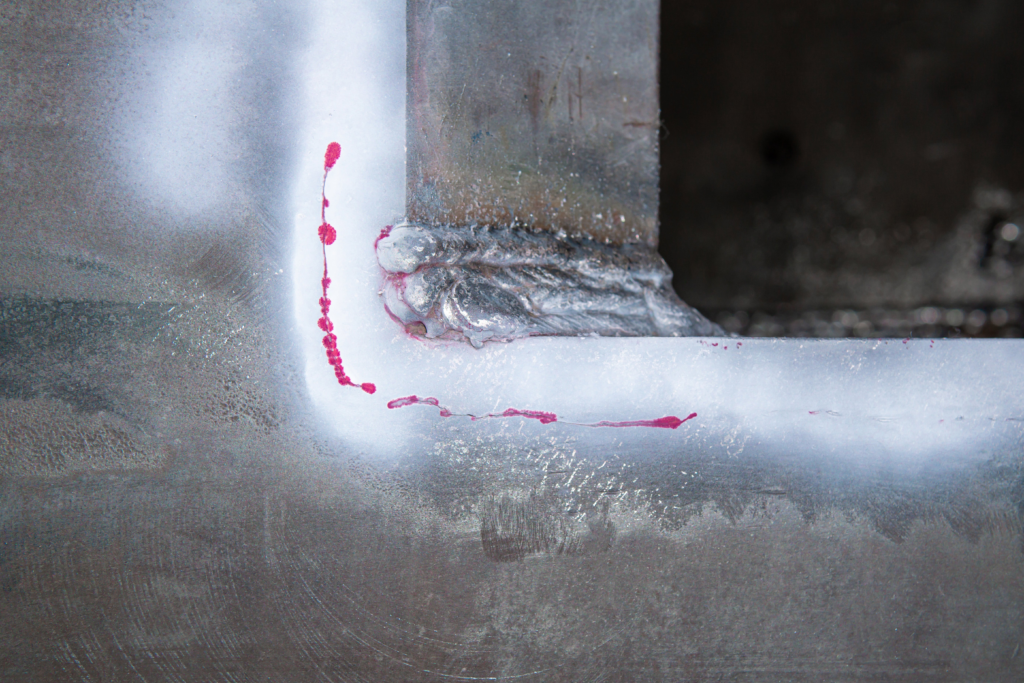
1. Visible signs of cracking or damage
Visible damage is one of the clearest reasons to investigate further.
Cracking, deformation, corrosion, unusual wear, or damage near a weld can indicate that a component has experienced conditions requiring additional evaluation.
Visual testing may be the starting point, while other NDT methods can provide additional information depending on the material and suspected discontinuity.
2. Unexpected changes in equipment performance
Changes in vibration, alignment, pressure behavior, or other operating characteristics can have many possible causes.
When a change suggests that the integrity of a component could be involved, inspection may form part of the troubleshooting process.
NDT can help provide information about the component itself while other maintenance and engineering activities investigate the broader cause.
3. Known exposure to demanding conditions
Equipment operating under repeated stress, pressure, harsh environments, corrosive conditions, or significant temperature changes may require inspection according to applicable maintenance programs, procedures, codes, or specifications.
NDT can help identify certain discontinuities or material changes before they are visible during normal operation.
4. Repairs or welding have been completed
Inspection following fabrication or repair can help verify workmanship against the applicable requirements.
Depending on the component and specification, visual, magnetic particle, liquid penetrant, ultrasonic, or another inspection method may be appropriate.
The correct method should always be determined by the application and applicable requirements rather than simply selecting whichever test is most convenient.
5. Inspection is already part of the required maintenance or quality program
Sometimes the most important sign is not a visible problem at all.
Inspection programs exist so organizations do not have to wait for equipment to show obvious signs of distress before evaluating it. Scheduled NDT can support preventative maintenance, quality assurance, and compliance requirements.
Following established inspection intervals and procedures can provide a more consistent understanding of asset condition than relying solely on visible warning signs.
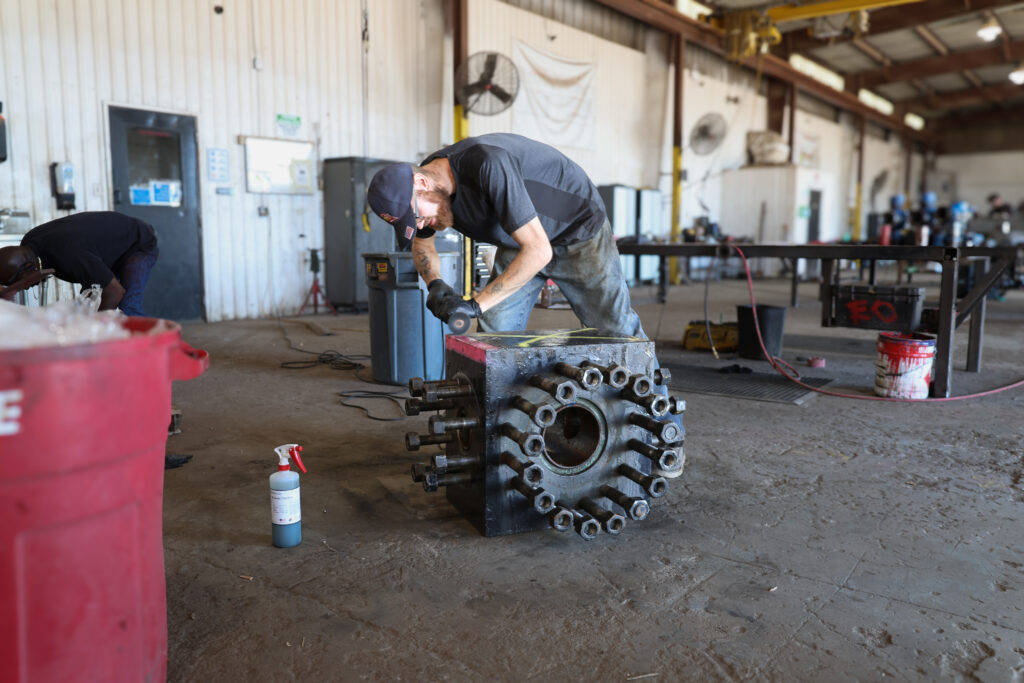
Don’t wait for a warning sign
NDT is most valuable when it is part of a thoughtful inspection and maintenance strategy—not simply a response after something goes wrong.
At IFE NDT LLC, our purpose is to defend assets, investments, and reputations through dependable inspection services.
Prevent. Protect. Provide.
If you have questions about whether NDT may be appropriate for a component or application, contact our team at info@ifendt.com.