
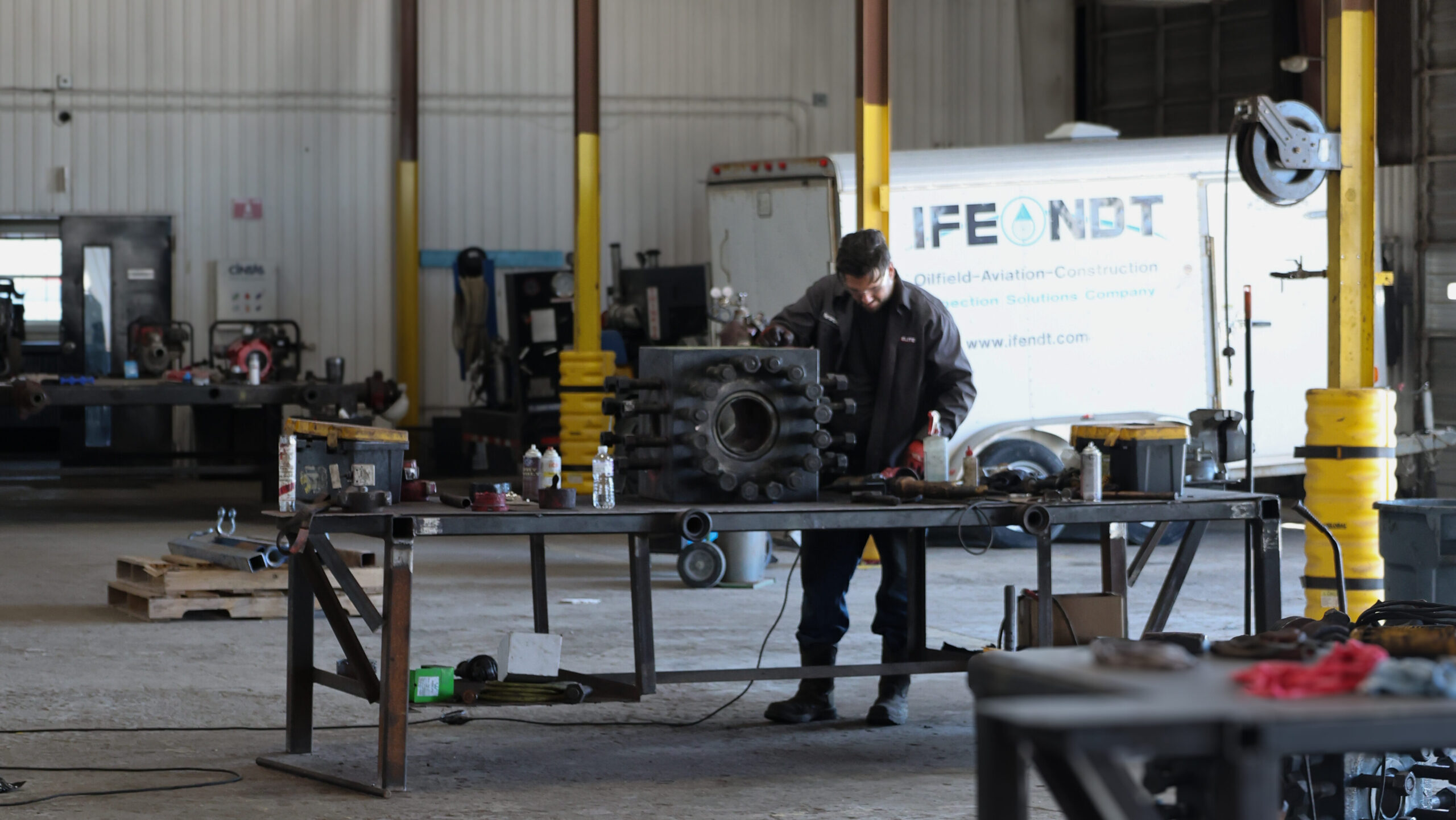
Equipment failures rarely occur without warning. In most cases, early signs of wear, fatigue, or defects are present long before a breakdown happens. The challenge for many operations is identifying these issues early enough to prevent costly downtime and repairs.
Non-destructive testing (NDT) provides a way to detect these problems before they escalate. By evaluating materials and components without causing damage, NDT allows organizations to maintain production, improve safety, and avoid unexpected failures.
If you’re new to non-destructive testing, it helps to start with a foundational understanding of how NDT works and why it plays a critical role in industrial operations.
At IFE NDT LLC, our focus is simple — precision that counts and testing that delivers. By applying the right inspection methods, we help prevent failures, protect people, and provide dependable results that support long-term reliability.
The true cost of equipment failure
Unplanned equipment failure affects more than just the component that breaks. In many cases, the impact extends across the entire operation.
Common consequences include:
- Production downtime
- Emergency repair costs
- Safety risks for personnel
- Damage to surrounding equipment
- Missed deadlines or contractual delays
Even a small defect can lead to significant losses if it goes undetected. For operations that rely on continuous performance, preventing these failures is essential.
How NDT detects problems early
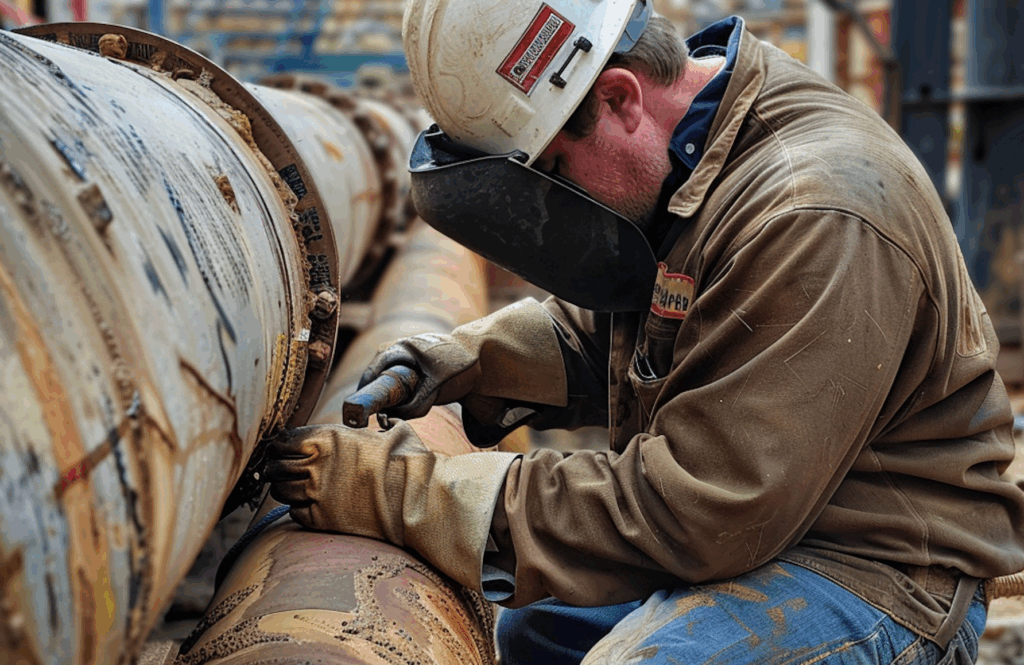
Non-destructive testing allows inspectors to identify defects before they reach a critical stage. Instead of reacting to failure, organizations can take a proactive approach to maintenance and inspection.
Depending on the application, NDT can detect:
- Internal cracks or voids
- Surface-breaking defects
- Corrosion and material loss
- Weld discontinuities
- Thickness changes in critical components
By identifying these issues early, maintenance teams can schedule repairs, monitor conditions, or replace components before failure occurs.
Supporting preventative maintenance strategies
Preventative maintenance is most effective when it is based on accurate data. NDT provides that data by offering insight into the condition of equipment without interrupting operations.
Rather than relying solely on time-based maintenance schedules, organizations can use inspection results to make informed decisions about:
- When to repair or replace components
- Whether equipment can safely remain in service
- How defects are progressing over time
This approach reduces unnecessary downtime while improving overall reliability.
Choosing the right inspection method
Different types of defects require different inspection techniques. Methods such as ultrasonic testing, magnetic particle testing, and liquid penetrant testing are commonly used to evaluate components under various conditions.
Understanding which method to use is key to obtaining accurate results. Applying the wrong technique can lead to missed defects or incomplete assessments.
At IFE NDT LLC, we evaluate each situation to determine the most effective inspection approach based on the material, environment, and type of defect being assessed.

Reducing downtime and improving reliability
Downtime is often one of the most expensive challenges industrial operations face. Even short interruptions can result in significant financial losses and operational setbacks.
NDT helps reduce downtime by:
- Identifying issues before failure occurs
- Allowing inspections to be performed without stopping operations
- Supporting planned maintenance instead of emergency repairs
- Improving confidence in equipment performance
When inspections are performed consistently, organizations gain better control over their operations and reduce the likelihood of unexpected disruptions.
A practical approach to risk reduction
Every operation carries some level of risk. The goal is not to eliminate risk entirely, but to manage it effectively. NDT plays a key role in this process by providing accurate information about equipment condition.
At IFE NDT LLC, our approach is centered around a simple principle:
We help prevent catastrophic failures by identifying defects early, protect people and assets through reliable inspection practices, and provide dependable results that support informed decision-making.
Conclusion
Equipment failure can be costly, disruptive, and dangerous — but in many cases, it is preventable. Non-destructive testing provides a practical and effective way to detect issues early, reduce downtime, and improve overall reliability.
By incorporating NDT into a preventative maintenance strategy, organizations can better protect their operations, extend the life of their equipment, and avoid unnecessary costs.
If you’d like to learn more about how NDT can help reduce risk and improve reliability in your operation, contact our team at info@ifendt.com.