
Non-destructive testing (NDT) is not a static field. As equipment, materials, and inspection technologies evolve, so do the methods and expectations associated with accurate evaluation. Maintaining reliable inspection results requires more than initial certification — it requires continuous education and ongoing training.
Technicians must stay current with evolving procedures, standards, and technologies to ensure inspections are performed correctly and consistently across a wide range of conditions.
If you’re new to non-destructive testing, it helps to start with a foundational understanding of how NDT works and why it plays such a critical role in industrial operations.
At IFE NDT LLC, our focus is simple — precision that counts and testing that delivers. Achieving that level of precision requires a commitment to ongoing education and the consistent development of technician knowledge and skills.
Why continuous education matters in NDT
Inspection accuracy depends on both technical knowledge and the ability to apply that knowledge in real-world conditions. As new tools and techniques are introduced, technicians must understand how to use them effectively.
Continuous education helps ensure:
- Consistent application of inspection methods
- Accurate interpretation of results
- Adaptability to different materials and environments
- Alignment with current industry standards
Without ongoing training, even experienced technicians can fall behind changes in procedures and expectations.
Keeping pace with evolving standards
Industry standards and guidelines play a critical role in ensuring inspections are performed consistently and safely. Organizations such as API, ANSI, and ASNT provide frameworks that guide how inspections are conducted and evaluated.
As these standards evolve, technicians must stay informed to ensure their work remains compliant and accurate.
At IFE NDT LLC, our work aligns with established standards and guidelines, helping ensure inspections meet the expectations required across industrial environments. Staying current with these standards is a key part of maintaining reliable inspection practices.
The connection between training and consistency
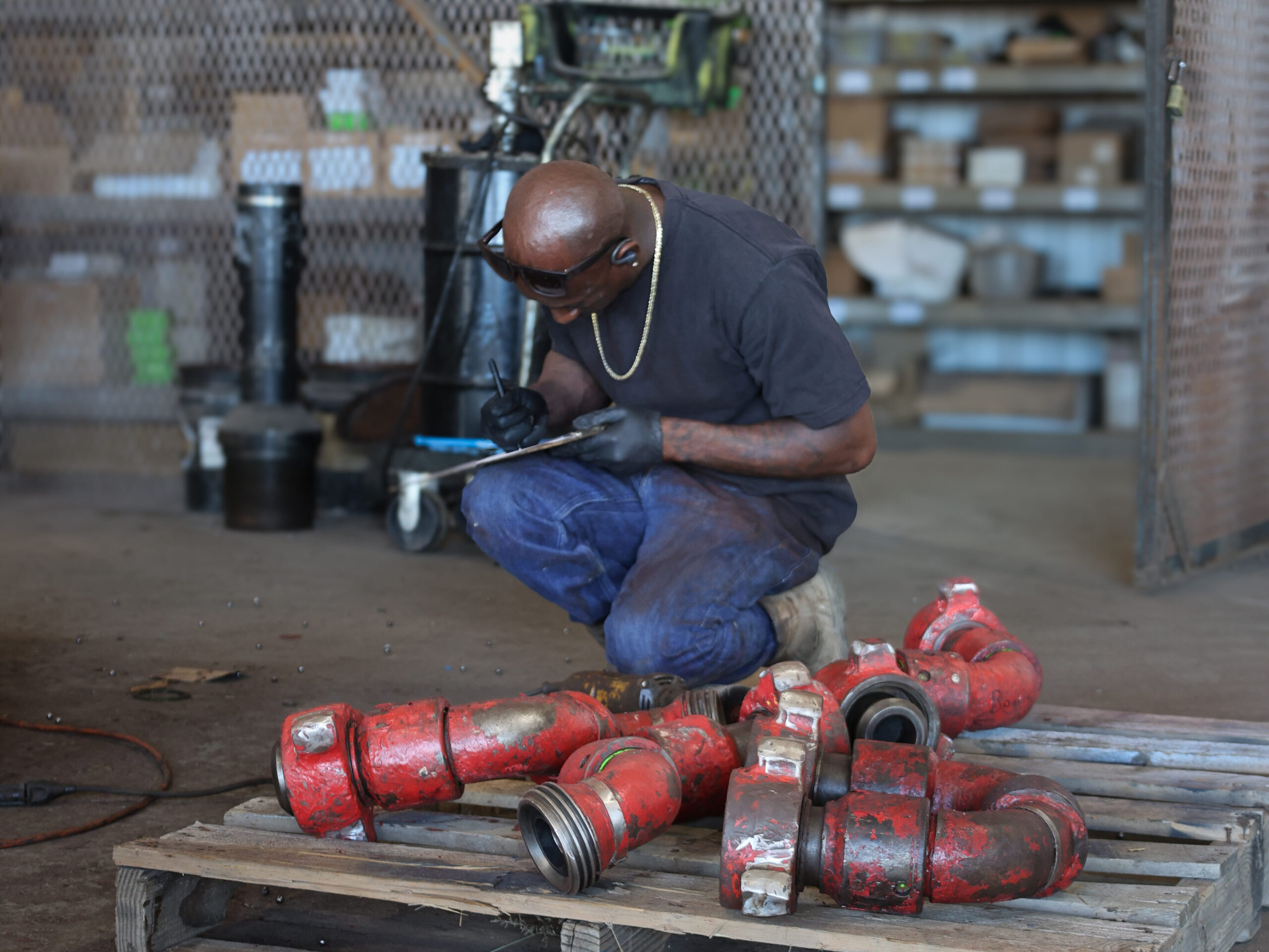
Consistency is one of the most important factors in non-destructive testing. Reliable results depend on inspections being performed the same way, regardless of the technician or the environment.
Ongoing training helps reinforce:
- Proper inspection procedures
- Standardized methods across teams
- Clear understanding of acceptance criteria
- Repeatable, dependable results
This consistency reduces variability and helps ensure that inspection outcomes can be trusted.
Bridging knowledge and real-world application
Training in NDT is most effective when it combines technical instruction with hands-on experience. Understanding a method in theory is only part of the process — applying it in real-world conditions is where accuracy is developed.
At IFE NDT LLC, we utilize a rigorous hybrid training approach designed to ensure both knowledge and application. This includes structured learning combined with practical field experience, helping technicians build competency and confidence in their work.
This approach supports not only technical understanding, but also the ability to adapt to the challenges presented in real inspection environments.
Improving results through better training
Well-trained technicians are better equipped to identify defects, interpret results, and make informed decisions. This directly impacts the quality of inspections and the reliability of the information provided to clients.
Continuous education supports better results by:
- Reducing the likelihood of missed defects
- Improving accuracy in evaluation
- Increasing efficiency in inspections
- Supporting better decision-making for maintenance and operations
In environments where safety and reliability are critical, these improvements make a measurable difference.
A commitment to continuous improvement
Non-destructive testing requires a long-term commitment to improvement. As technology advances and industry expectations change, maintaining high standards requires ongoing effort.
At IFE NDT LLC, our approach is centered around a simple principle:
We help prevent failures through early detection, protect people and assets through reliable inspection practices, and provide dependable results supported by consistent training and development.
Conclusion
Continuous education is essential to maintaining accuracy, consistency, and reliability in non-destructive testing. By investing in ongoing training and staying aligned with evolving standards, organizations can improve inspection quality and reduce risk.
At IFE NDT LLC, we are committed to developing our technicians through structured training and real-world application, ensuring that every inspection is performed with the knowledge and consistency required for dependable results.
If you’d like to learn more about how training and continuous education support reliable inspection services, contact our team at info@ifendt.com.