
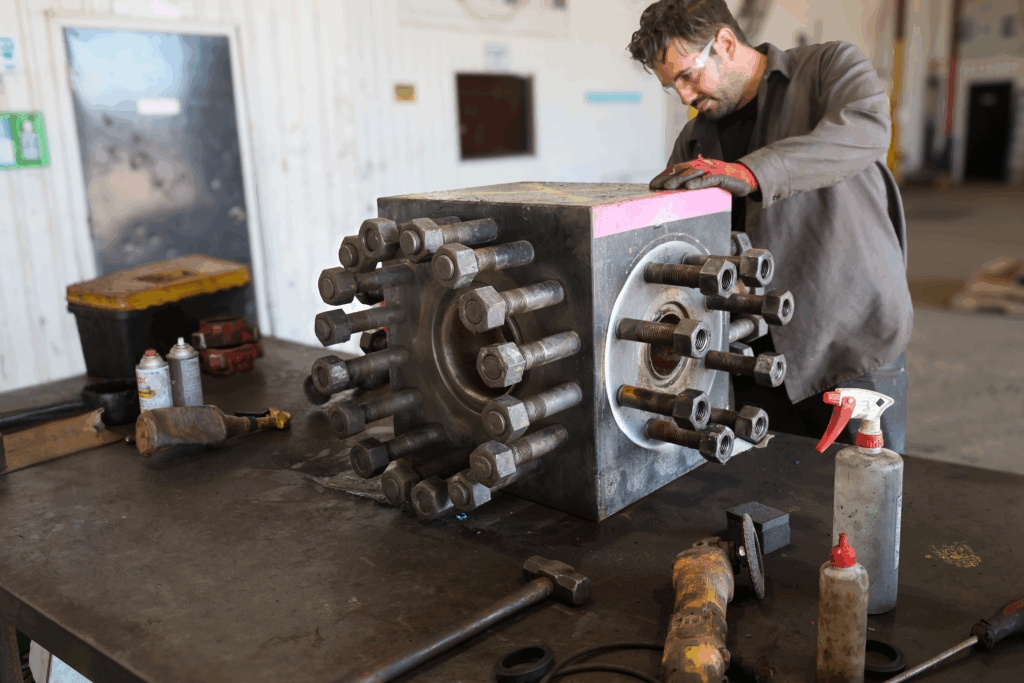
Equipment failures rarely happen without warning. When early signs go unnoticed, the result can lead to costly downtime, safety risks, and damage to both equipment and reputation. For industrial operations, preventing these problems before they escalate is critical. Non-destructive testing (NDT) plays an important role in helping companies identify flaws and defects without damaging the components being inspected. By evaluating materials and structures while they remain in service, organizations can improve reliability, maintain safety, and avoid unnecessary replacement costs. Non-destructive testing helps organizations evaluate critical assets safely and efficiently through a variety of inspection services.
At IFE NDT, LLC, our focus is simple: Precision That Counts, Testing That Delivers. Through dependable inspection practices, we help clients prevent catastrophic failures, protect personnel, and provide confidence in the integrity of their assets.
In this guide, we’ll explain what non-destructive testing is, how it works, and why it matters across modern industrial environments.
What is non-destructive testing?
Non-destructive testing (NDT) refers to a group of inspection methods used to evaluate materials, welds, and components without causing damage. Unlike destructive testing, where samples are altered or destroyed, NDT allows equipment to remain operational while being assessed.
These methods help inspectors identify issues such as:
- Cracks
- Corrosion
- Material fatigue
- Porosity
- Welding defects
Because inspections do not harm the component, companies can gather valuable information while keeping downtime to a minimum.
Why non-destructive testing matters
Industrial environments depend on equipment that must operate safely under demanding conditions. Even a small flaw that goes unnoticed can eventually lead to expensive failures or safety hazards.
NDT helps organizations and businesses:
- Improve safety and operational reliability
- Detect problems early before failure occurs
- Reduce repair costs and unplanned downtime
- Extend the life of equipment
- Maintain compliance with industry standards
For many operations, inspections are not just a recommendation, they are an essential part of risk management.
Who uses non-destructive testing?
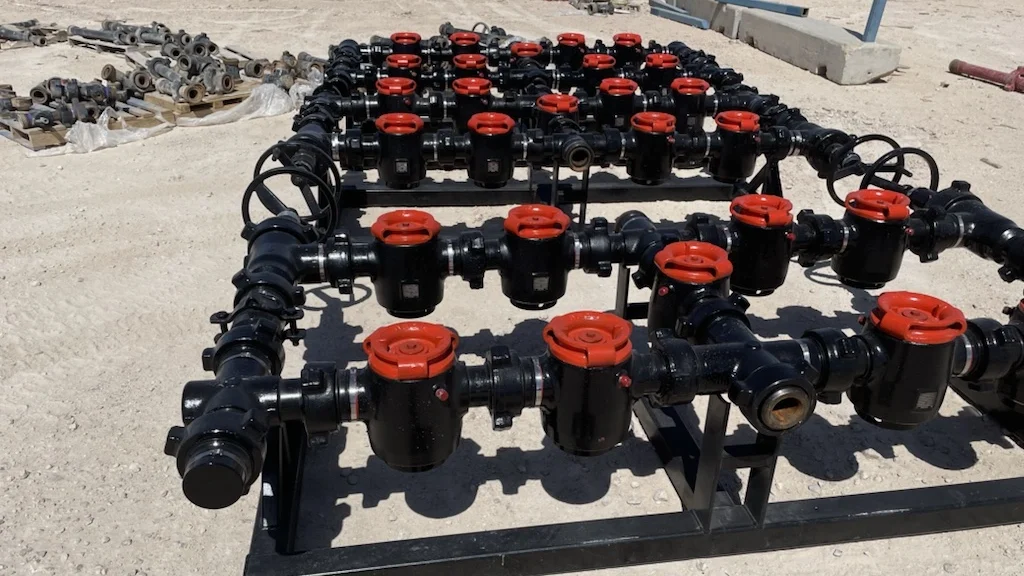
Non-destructive testing supports a wide range of industries where safety, reliability, and equipment performance are essential. Industries that commonly rely on NDT include:
- Oil and gas operations
- Manufacturing and fabrication
- Construction and infrastructure
- Energy and utilities
- Transportation and heavy equipment
- Industrial maintenance and repair
Whether inspecting new welds, monitoring aging assets, or supporting preventative maintenance programs, NDT helps organizations make informed decisions while reducing risk.
Common NDT methods
There are several methods used within non-destructive testing, each suited for different applications. Some of the most common include:
- Ultrasonic testing (UT) — uses sound waves to identify internal defects
- Magnetic particle testing (MT) — detects surface flaws in ferromagnetic materials
- Liquid penetrant testing (PT) — reveals surface cracks using penetrating dye
- Eddy current testing (ECT) — uses electromagnetic field to detect flaws in conductive materials
- Visual testing (VT) — detailed visual inspection performed by trained professionals
Each method provides unique benefits depending on the material, environment, and inspection goals.
The value of preventative inspection
One of the greatest advantages of NDT is its ability to support preventative maintenance strategies. Instead of waiting for problems to occur, organizations can evaluate equipment condition over time and make informed decisions before failures happen.
At IFE NDT LLC, our approach centers around a simple principle we call the three Ps: Prevent. Protect. Provide.
We help prevent catastrophic failures, protect people and assets, and provide dependable inspection services that support long-term reliability.
Choosing the right inspection partner
NDT is not just about technology: it’s about experience, consistency, and understanding how inspection results affect real-world operations. Selecting a qualified inspection team helps ensure accurate results and dependable recommendations. Our purpose is to help defend assets, investments, and reputations by delivering clear, reliable inspection outcomes.
Whether supporting new construction, ongoing maintenance, or critical asset inspections, non-destructive testing provides insight that helps operations move forward safely and confidently. At IFE NDT, LLC, we are committed to delivering precision that counts and testing that delivers, helping organizations reduce risk and improve reliability through trusted inspection services.
If you would like to learn more about how NDT can support your operation, reach out to our team at info@ifendt.com.