
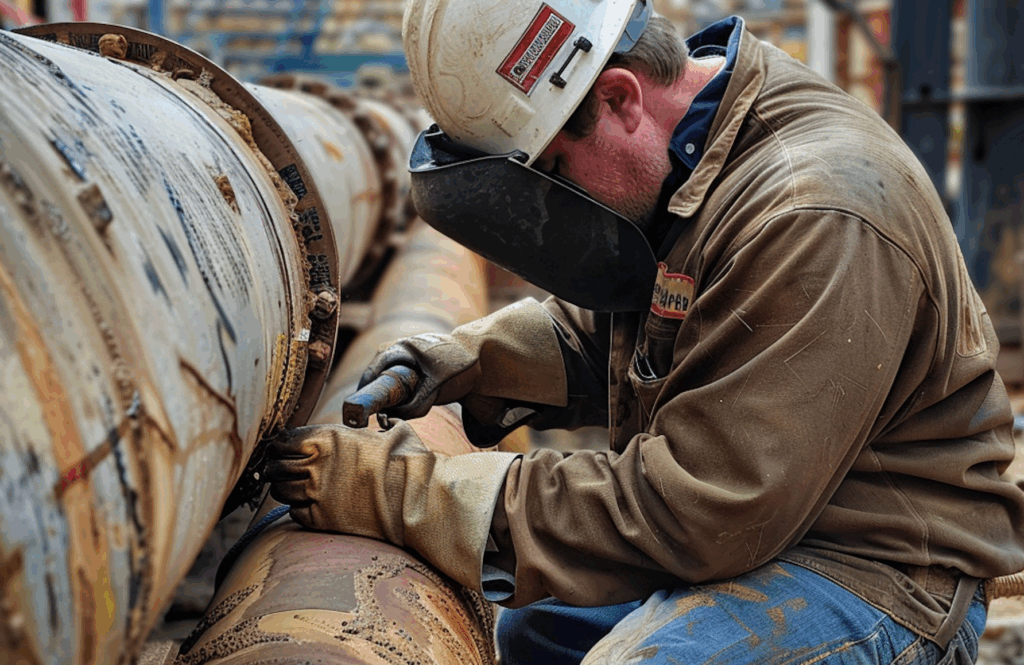
Welds are critical points in many structures and systems, often bearing significant loads and operating under demanding conditions. When a weld fails, the consequences can be serious — ranging from equipment damage and production delays to safety risks for personnel.
Because of this, weld inspection is not just a quality check. It is a key part of ensuring safety, reliability, and compliance across industrial operations.
Non-destructive testing (NDT) plays an important role in evaluating weld integrity without damaging the material. If you’re new to NDT, it helps to start with a foundational understanding of how these inspection methods support safe and reliable operations.
At IFE NDT LLC, our focus is simple — precision that counts and testing that delivers. Through dependable inspection practices, we help prevent failures, protect people, and provide reliable results that support confident decision-making.
Why weld integrity is critical
Welds connect structural components and are often subjected to stress, pressure, vibration, and environmental conditions. Even small defects can weaken a weld and lead to failure over time.
Common weld defects include:
- Cracks
- Porosity
- Lack of fusion
- Inclusions
- Undercutting
If these issues are not identified early, they can grow and compromise the entire structure or system.
The role of weld inspection in safety
Safety is one of the primary reasons weld inspection is performed. In many applications, weld failure can result in serious hazards, including equipment failure, structural collapse, or exposure to dangerous materials.
Weld inspection helps improve safety by:
- Identifying defects before they become critical
- Ensuring welds meet required standards
- Reducing the likelihood of unexpected failures
- Supporting safe operation of equipment and structures
By verifying weld quality, inspections help protect both personnel and the surrounding environment.
Supporting compliance and industry standards
Many industries are required to follow strict codes and standards related to welding and inspection. These standards are designed to ensure consistency, safety, and reliability.
Weld inspection supports compliance by:
- Verifying that welds meet applicable codes and specifications
- Providing documentation for quality assurance
- Supporting regulatory requirements
- Demonstrating due diligence in safety practices
Failing to meet these standards can result in costly delays, penalties, or rework — making inspection an essential part of the process.
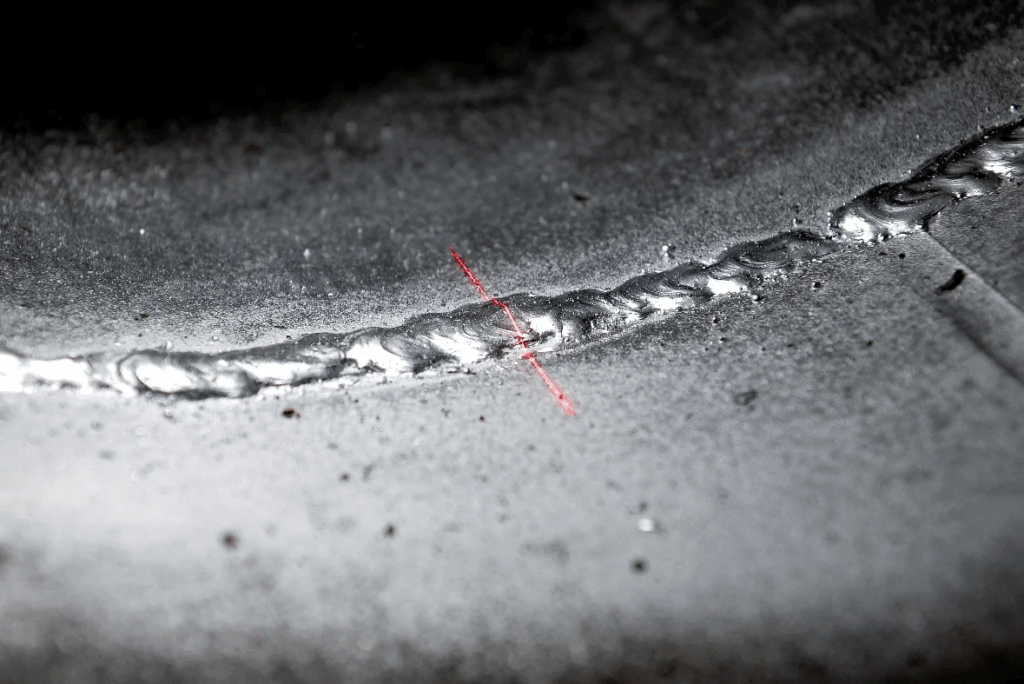
Common NDT methods used for weld inspection
Different inspection methods are used depending on the type of weld, material, and application. Common methods include:
- Ultrasonic testing (UT) for detecting internal defects
- Magnetic particle testing (MT) for surface and near-surface flaws
- Liquid penetrant testing (PT) for surface-breaking defects
- Visual testing (VT) for initial inspection and visible issues
Each method provides a different level of insight, and in many cases, multiple techniques are used together to ensure a complete evaluation.
Preventing failures before they occur
One of the most important benefits of weld inspection is its role in preventing failures. By identifying defects early, organizations can take corrective action before issues escalate.
At IFE NDT LLC, our approach is centered around a simple principle:
We help prevent failures by identifying defects early, protect people and assets through reliable inspection practices, and provide dependable results that support long-term reliability.
Conclusion
Weld inspection plays a vital role in maintaining safety, ensuring compliance, and supporting the reliability of industrial operations. By verifying weld quality and identifying defects early, organizations can reduce risk, avoid costly failures, and meet required standards.
Through the use of non-destructive testing methods, welds can be evaluated without damaging the material, allowing for accurate and efficient inspections.
If you’d like to learn more about how weld inspection can support your operation, contact our team at info@ifendt.com.